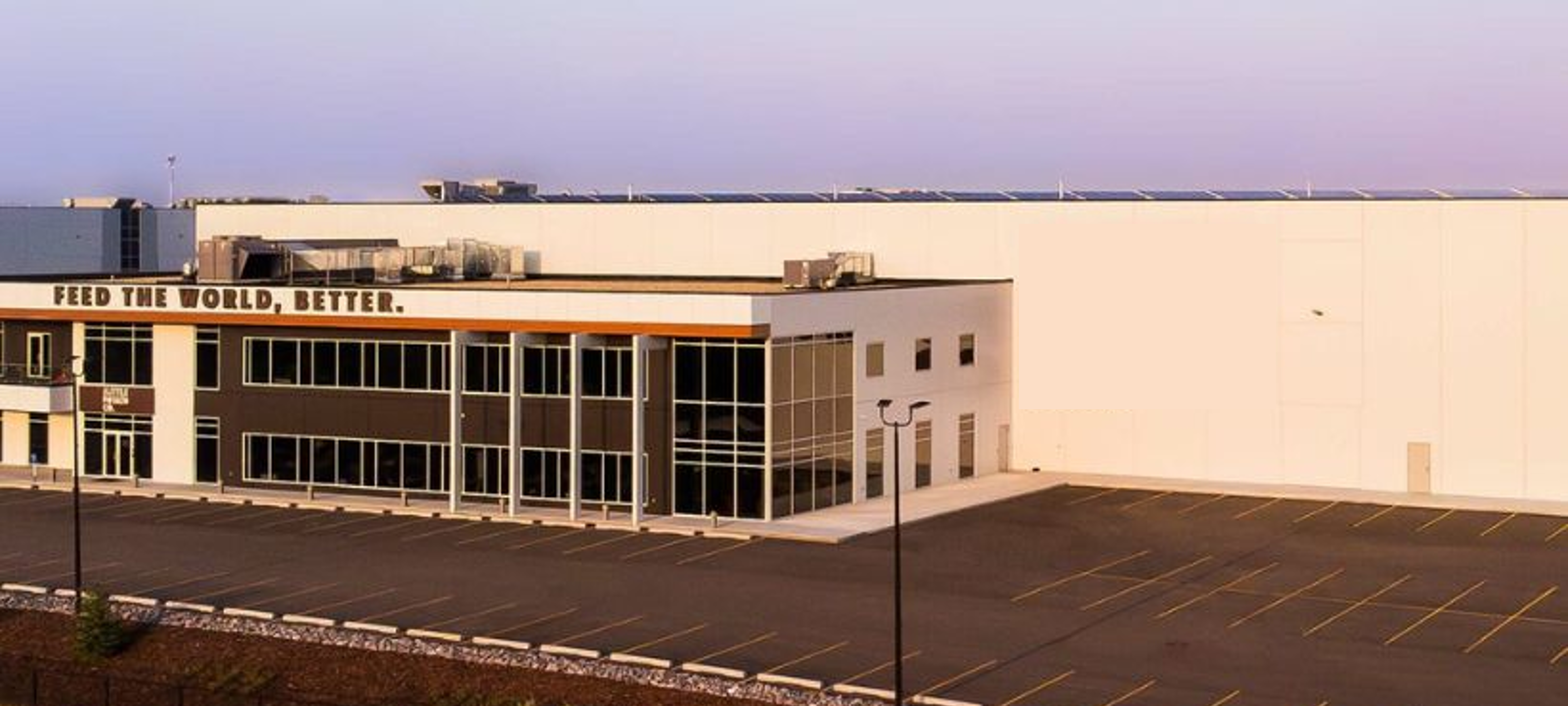
Food Processing Facility Value Stream Mapping (VSM) Study
PROJECT
A complete solution for visualizing and optimizing production flow
CUSTOMER
Food Processing Facility Value Stream Mapping (VSM) Study
Overview
Design Systems Canada (DSC) conducted a comprehensive Value Stream Mapping (VSM) study for a food processing facility in Nisku, Alberta. The objective was to fully understand and optimize the flow of people, materials, and equipment across the production environment.
The engagement provided a data-driven foundation for improving operational efficiency by identifying bottlenecks, inefficiencies, and opportunities to enhance throughput, labor utilization, and internal logistics.
Objectives
1. Establish Full Operational Visibility - Map the complete flow of people, materials, and equipment to gain a clear understanding of how the facility operates.
2. Identify Inefficiencies & Bottlenecks - Uncover constraints within production workflows, including delays, congestion points, and process disconnects impacting throughput.
3. Analyze Labor Utilization - Evaluate workforce allocation across production lines to determine:
Staffing effectiveness
Workload balance
Opportunities to improve efficiency
4. Optimize Material Flow & Internal Logistics - Assess how materials move through the facility, including:
Handling processes
Routing efficiency
Forklift traffic patterns
5. Enable Data-Driven Decision Making - Provide a structured, quantified baseline that supports informed decisions for improving production performance and planning future changes
6. Evaluate Operational Flexibility - Determine whether operational setups—such as one operator managing multiple lines—are feasible and efficient
“Bottom Line” Results
Full Visibility into Operations - Production flow, system interactions, and facility dynamics were fully mapped, transforming limited visibility into a clear, actionable understanding.
Data-Driven Labor Optimization - Workforce utilization was quantified, enabling smarter staffing decisions and improved allocation across production lines.
Improved Material Flow & Logistics - Detailed analysis of material movement and forklift traffic led to identified improvements in internal logistics and flow efficiency.
Bottlenecks & Inefficiencies Identified - Previously hidden constraints in workflows were uncovered, providing a clear path to increase throughput and reduce delays.
Stronger Operational Decision-Making - The facility now has a structured, data-backed baseline to guide continuous improvement and future optimization initiatives.